Multinational Corporations’ Influence on Food Systems
Why this matters
This project mobilizes youth to challenge corporate control in global food systems by exposing harmful practices and advocating for stronger regulations. Through policy engagement and awareness-raising, we aim to build a healthier, just, and sustainable food system that prioritizes people and the planet over profit.
Global food systems are dominated by a few powerful multinational corporations (MNCs) that decide what kind of food is produced, its production and distribution frameworks, and who benefits from it. With no one to challenge and regulate their power along the value chain, MNCs have been operating undisturbed for decades, creating and perpetuating social and economic inequalities, widespread environmental degradation, and public health concerns worldwide.
Their unchecked power has fueled :
- Social and economic inequalities across food value chains — from squeezed small-scale producers to unaffordable healthy diets
- Widespread environmental degradation — from water pollution and soil pollution, to biodiversity loss and climate change
- Rising diet-related diseases and forms of malnutrition — from non-communicable diseases to hunger and nutrient deficiencies
This concentration of power threatens our right to safe, nutritious food and undermines the very own functioning of the natural ecosystems that support human and animal life on our planet.
The problem:
Exacerbated Inequalities
MNCs concentrate power and profit in the hands of a few, while small-scale farmers and producers get increasingly marginalised from the market and their income reduced.
MNCs’ control over the market for seeds and synthetic agricultural inputs (namely, pesticides and fertilisers, but also animal feed) often forces farmers into dependency patterns that limit their autonomy, compromises their land and animal productivity, and increases their upfront production costs.
Environmental Degradation
The current global food system — dominated by harmful, large-scale industrial agriculture and highly globalised supply chains — is responsible for over 30% of total global greenhouse gases (GHG) emissions.
Dependency on toxic synthetic inputs made from fossil fuels depletes the soil, pollutes water resources and threatens the survival of many micro-organisms and animal species. Over all, our global food system is the single biggest driver of biodiversity loss worldwide.
Public Health Challenges
Through the promotion and widespread commercialization of nutritionally poor, ultra-processed foods (UPFs), MNCs have subtly influenced consumer diets across the globe, leading to an alarming rise in diet-related diseases and forms of malnutrition.
Farmers and rural communities are also disproportionally affected by the long-term direct exposure to pesticides and fertilisers which are toxic to humans. But consumers are also at risk — the products on supermarket shelves are often produced using synthetic inputs, exposing us to the harmful effects of their chemical residues in the food we eat.
Our Goals
We are working together to:
- Educate people on the corporate concentration within food systems and its effects on health, environment, and social justice.
- Promote youth voices in policy making processes on corporate regulation in food systems.
- Expose and challenge the structural power of multinational corporations in food systems.
- Advocate for regulations that enforce accountability, transparency, and sustainability in the food industry.
Our Activities
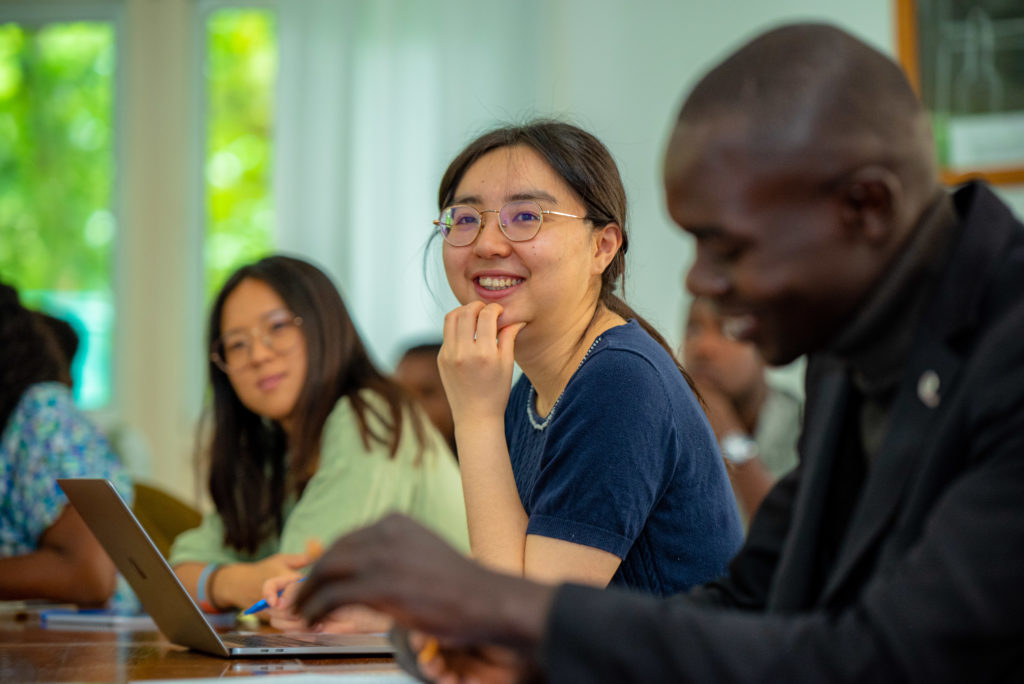
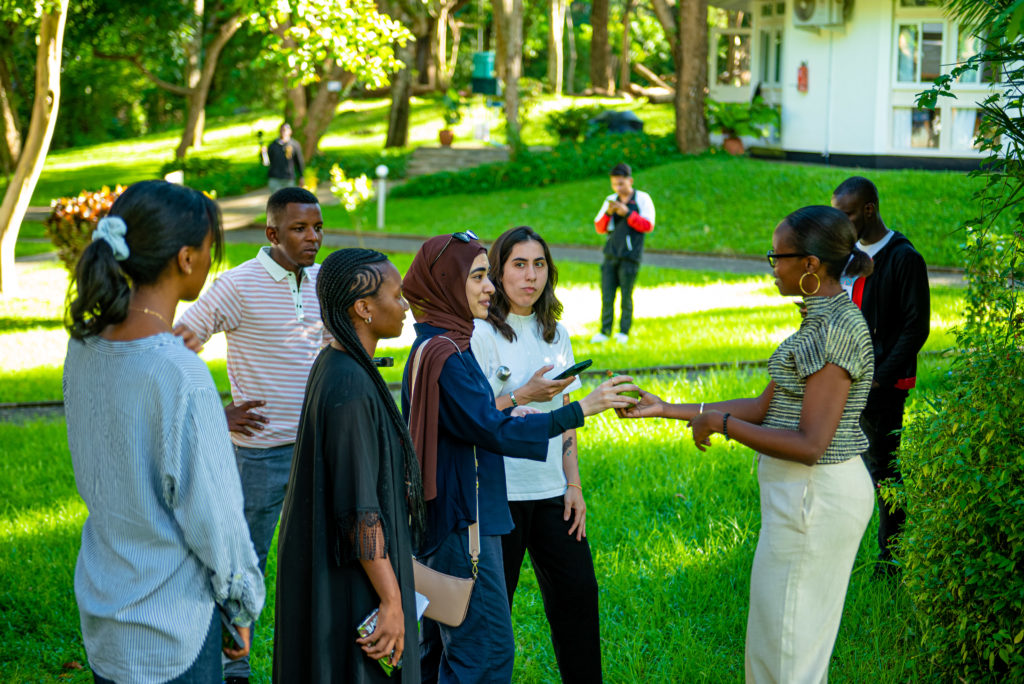
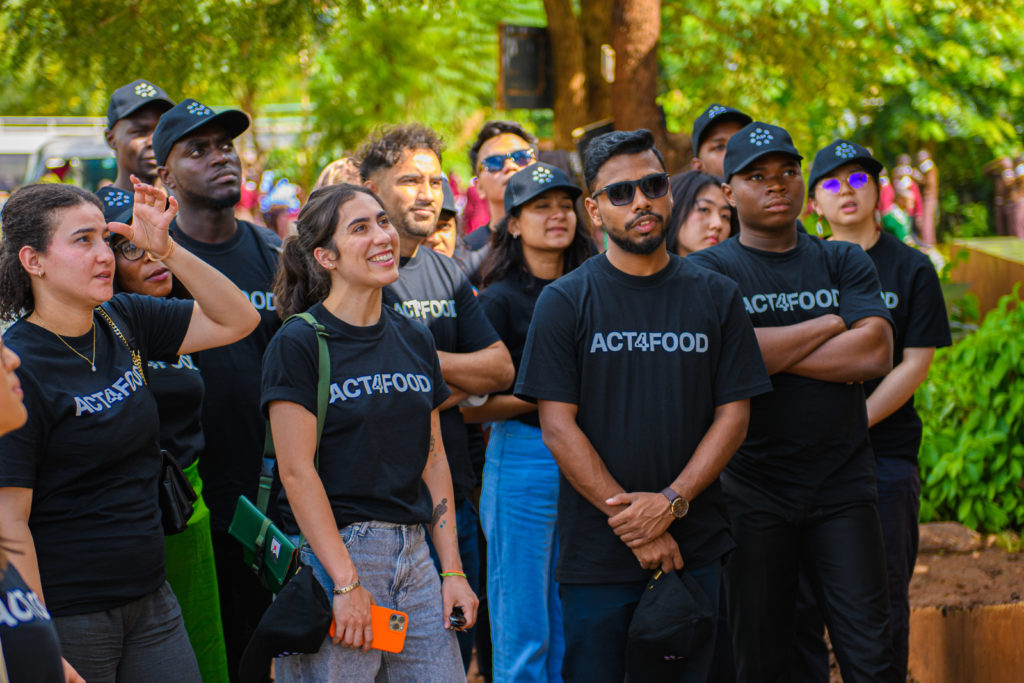
Engaging policymakers and youth at key global events to spotlight the prominent role of MNCs in shaping unsustainbale, unehealthy, and unjust food systems.
Creating knowledge & Awareness through local dialogues and interactions with the community, online articles and a social media campaign.
Shaping policy with a series of youth-informed policy briefs on corporate power across food systems.
Our Impact
By amplifying youth voices and demanding stronger regulations, we are building momentum toward a food system that is:

Spread the word, tell your friends
We have the power to take action ourselves and the right to demand urgent large-scale action from decision-makers in government and business to defeat hunger, improve sustainable healthy diets and improve our planet. #ACT4FOOD #ACT4CHANGE